Dystopia
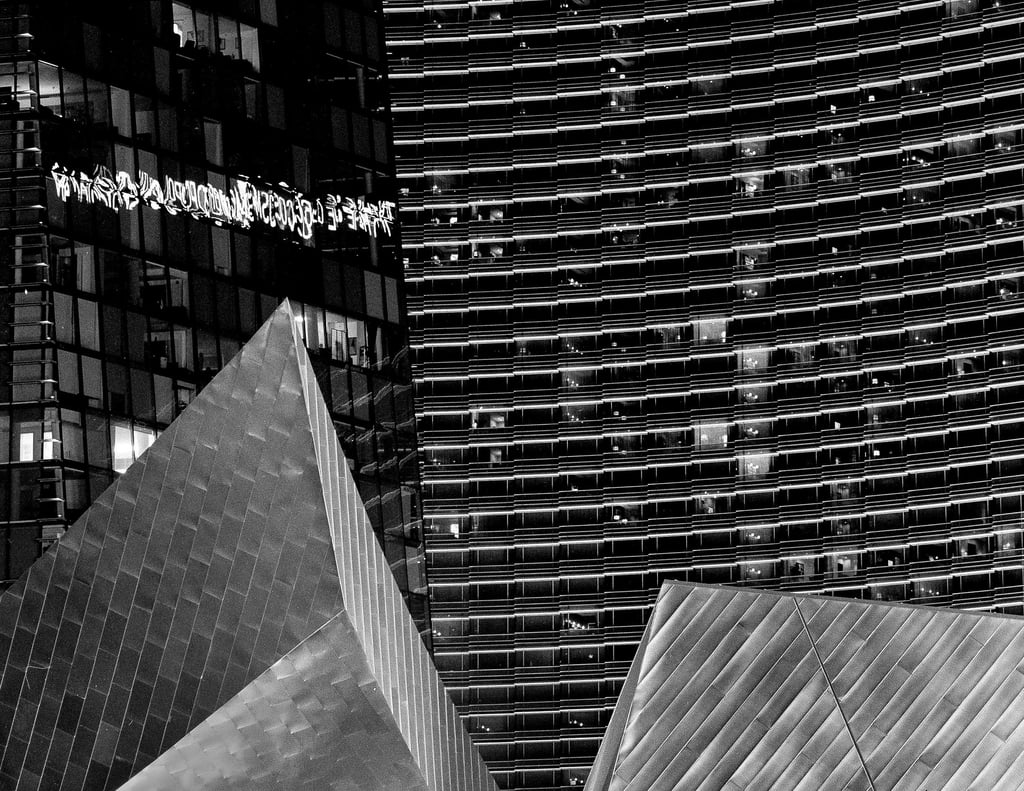
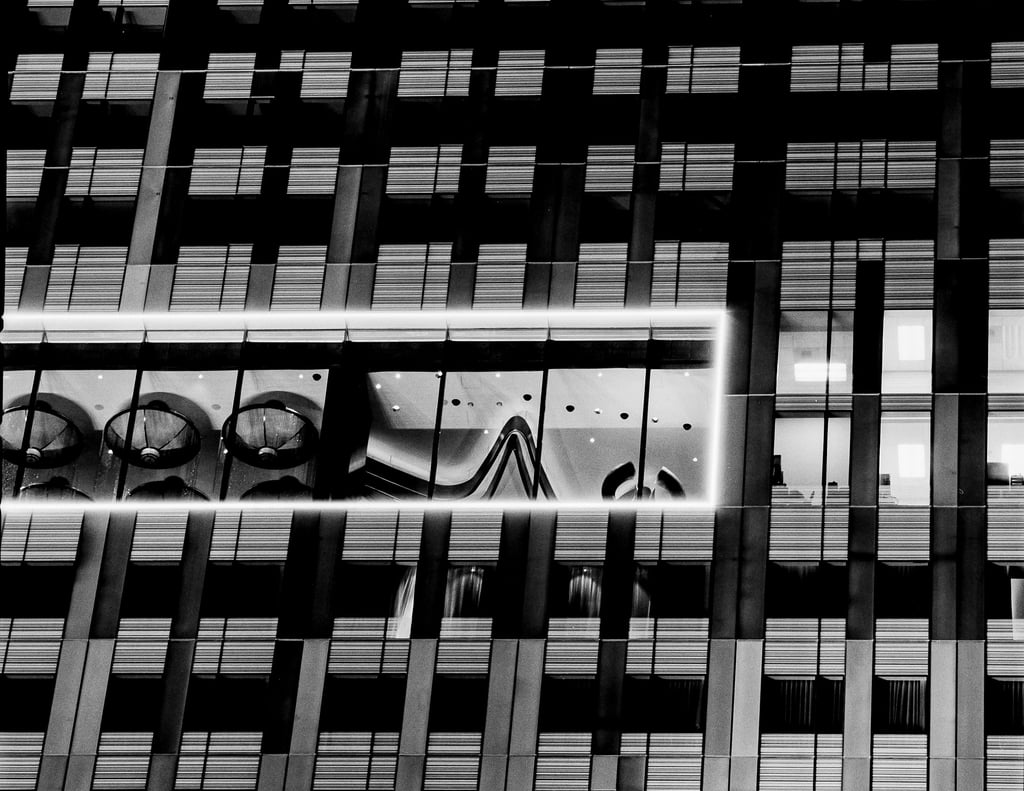
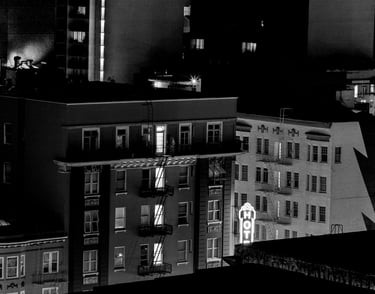
Dystopia is a photographic project that examines the transformation of the city at night, where the vitality of daytime urban life gives way to solitude, melancholia, and estrangement. Born in Mumbai, I have long been immersed in the energy of crowded trains, traffic, and endless queues. Yet in nocturnal walks, I encountered a different city—one where artificial light altered the material and psychological dimensions of space.
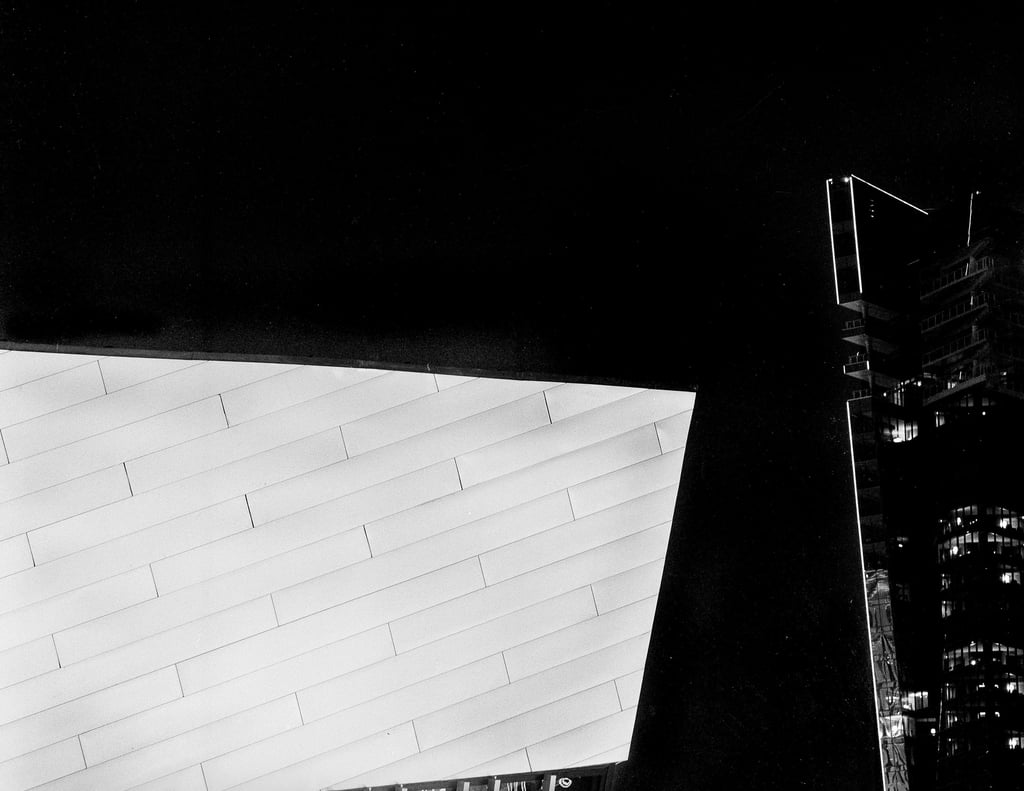
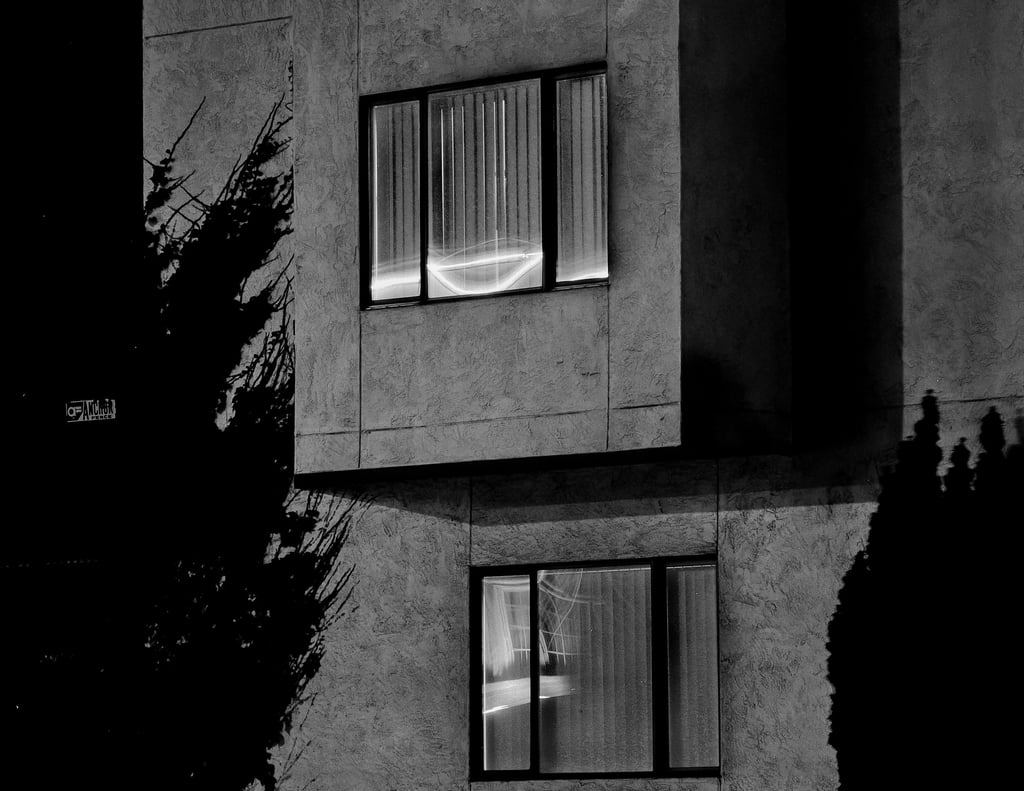
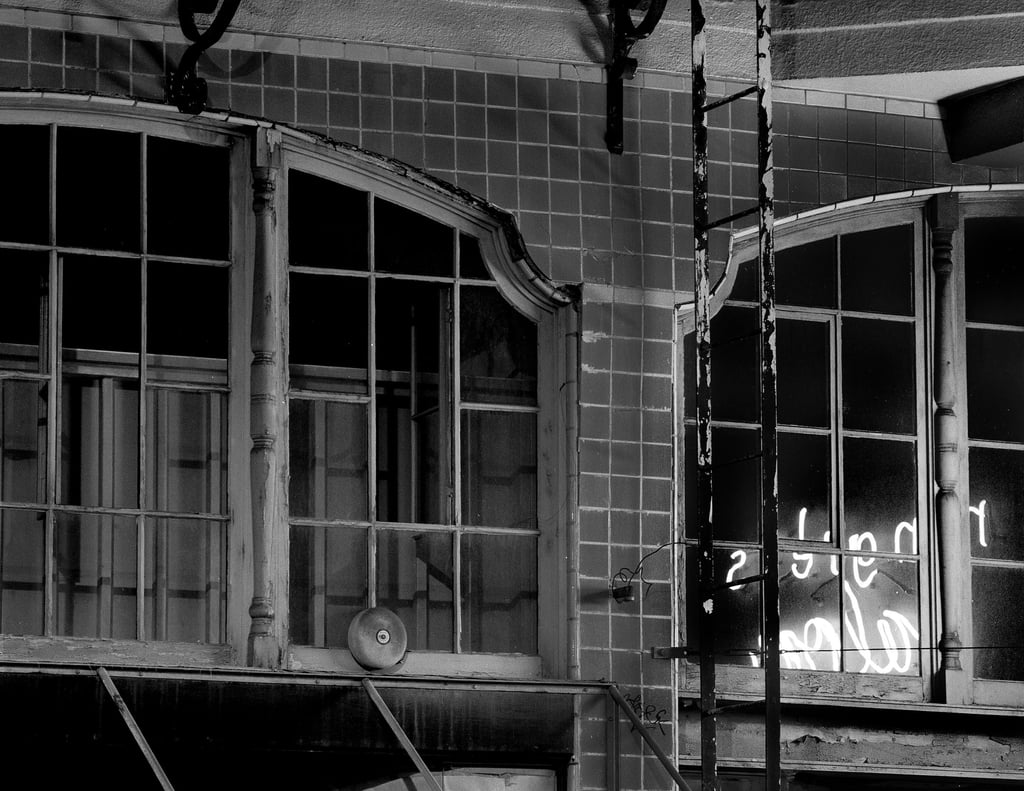
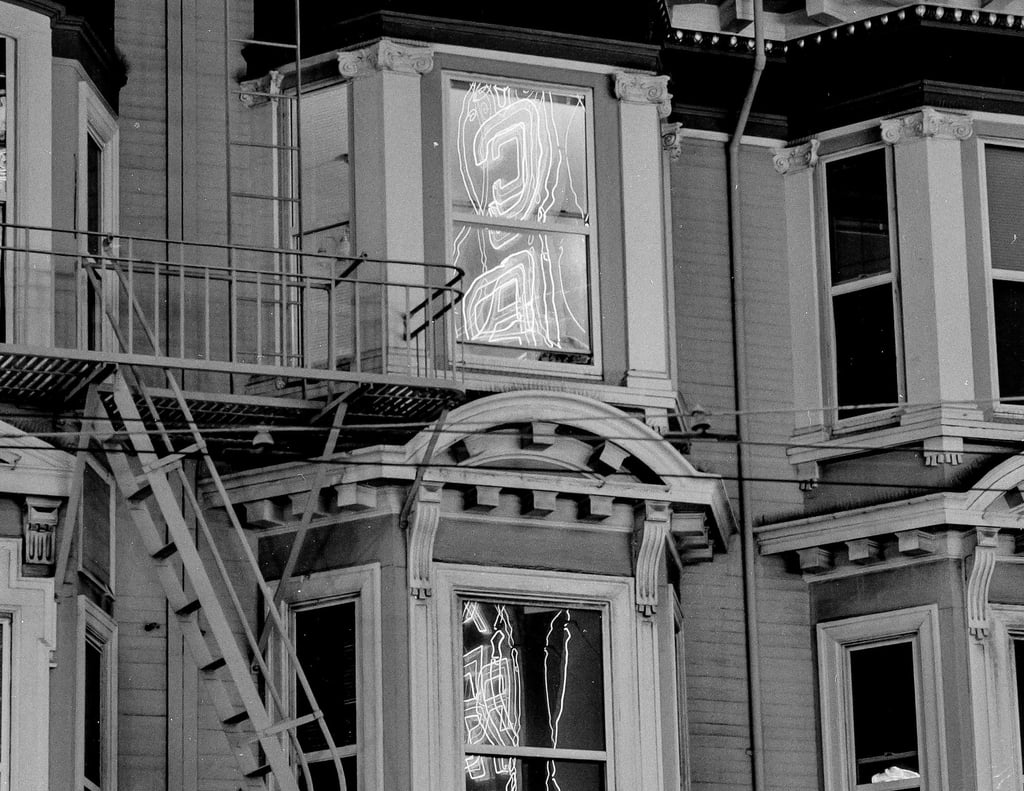
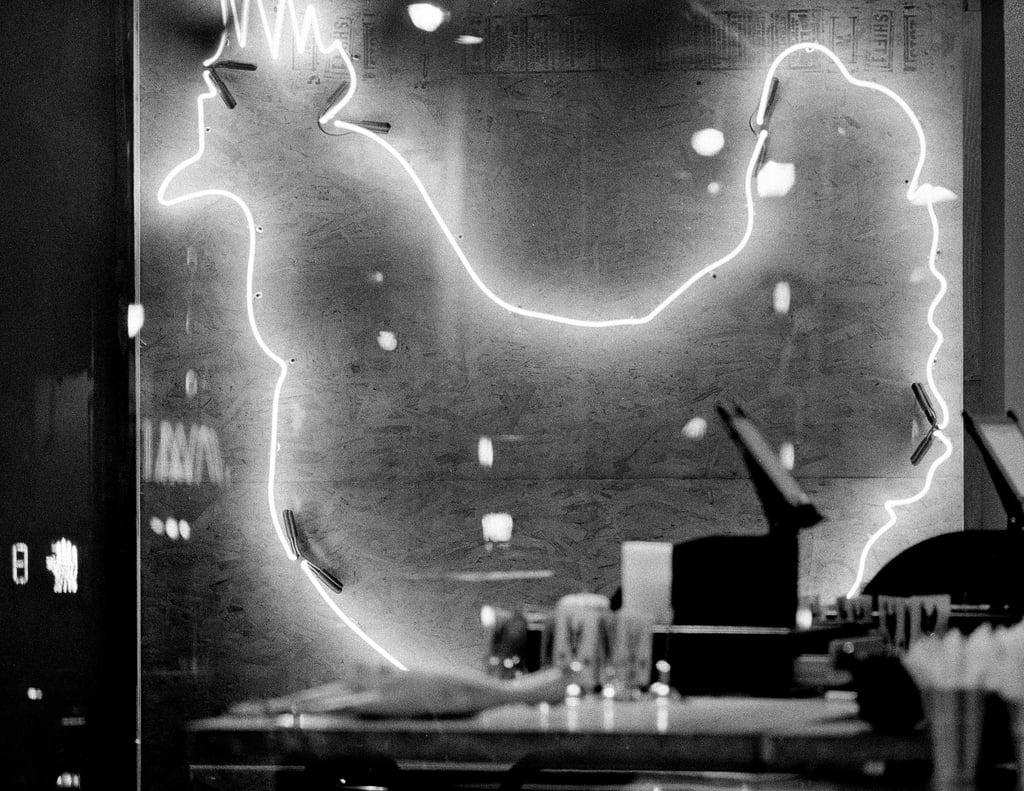
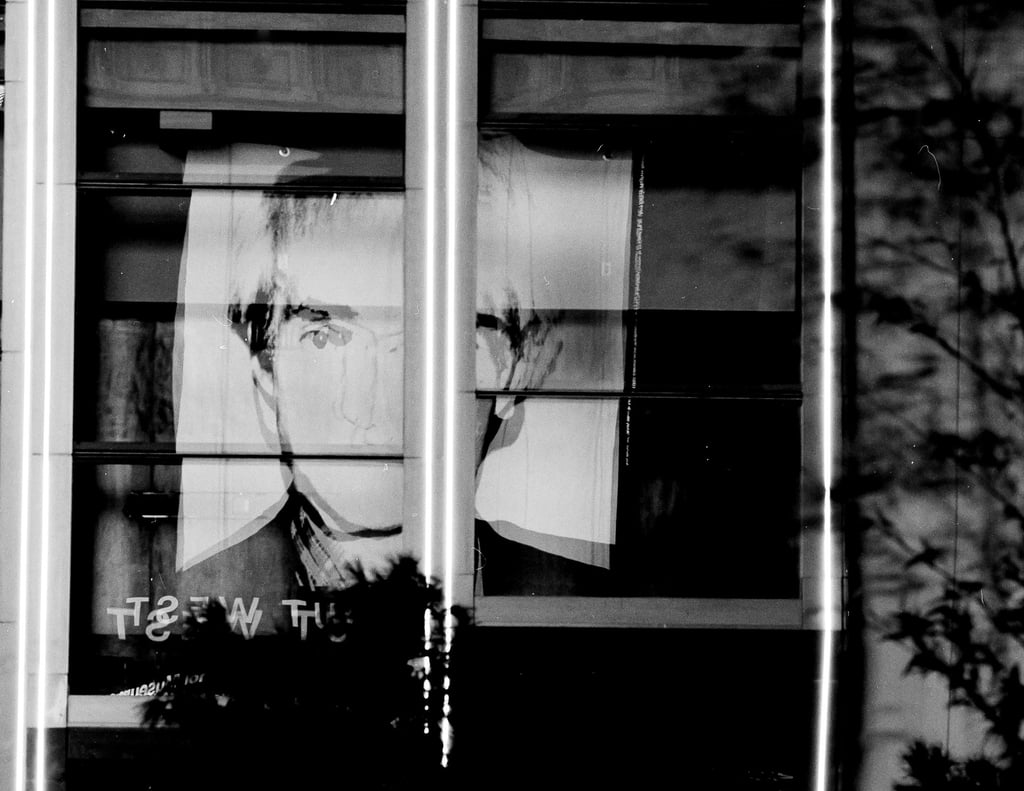
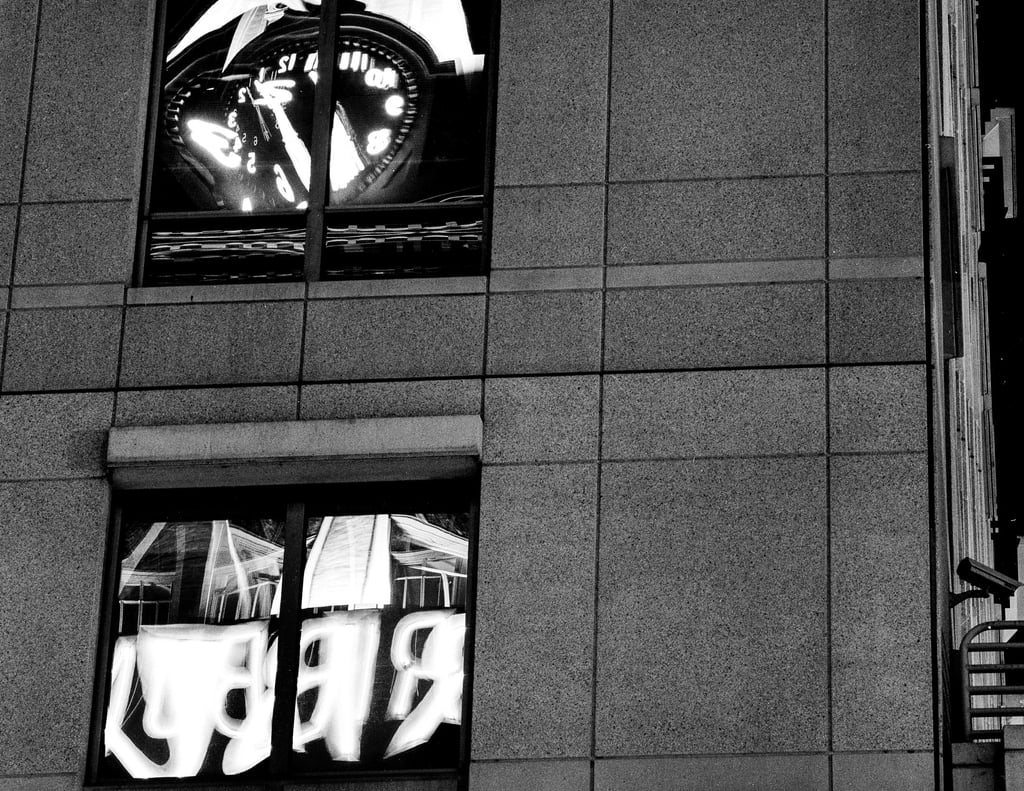
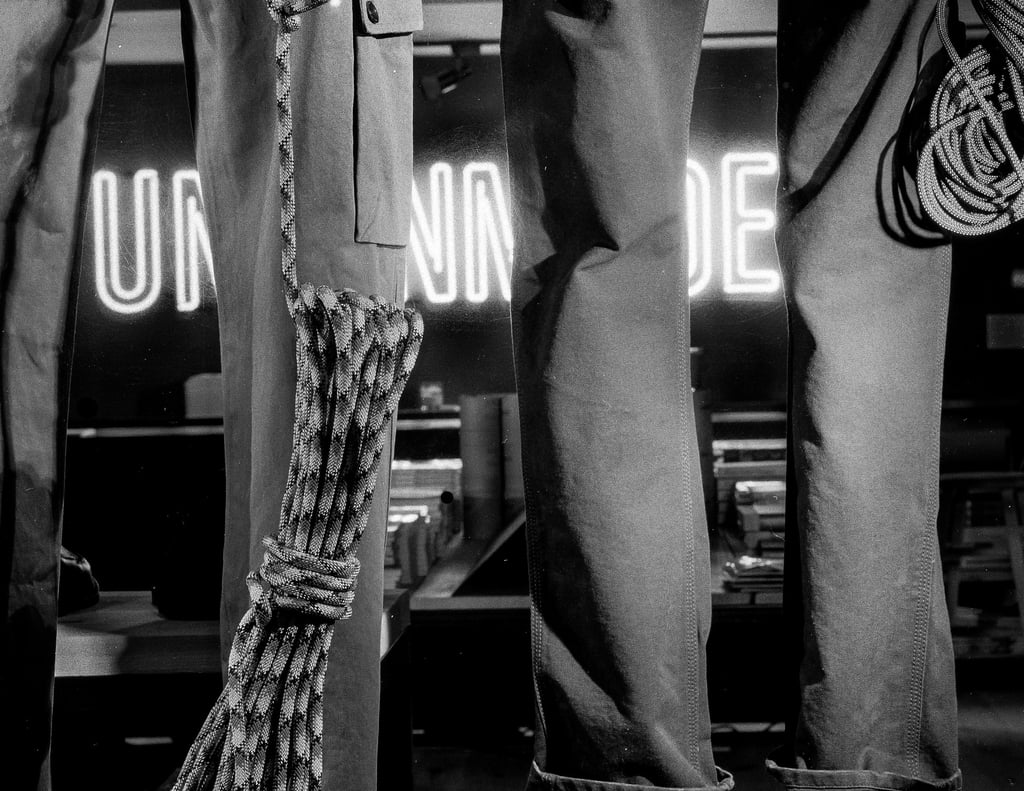
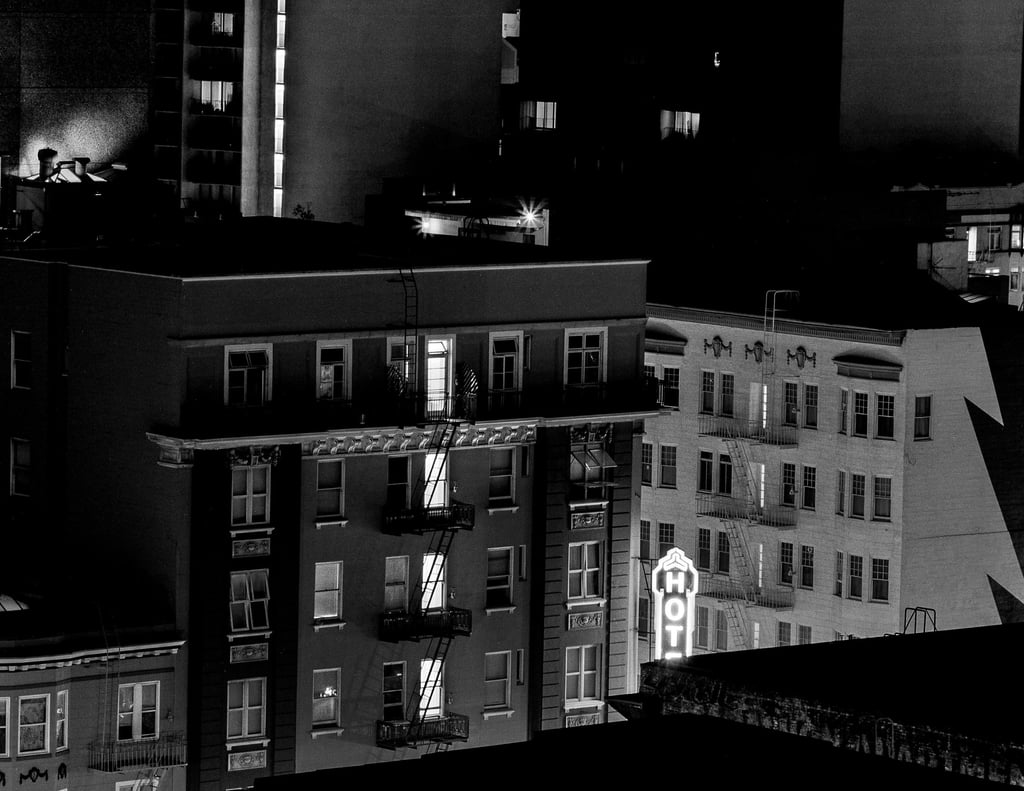
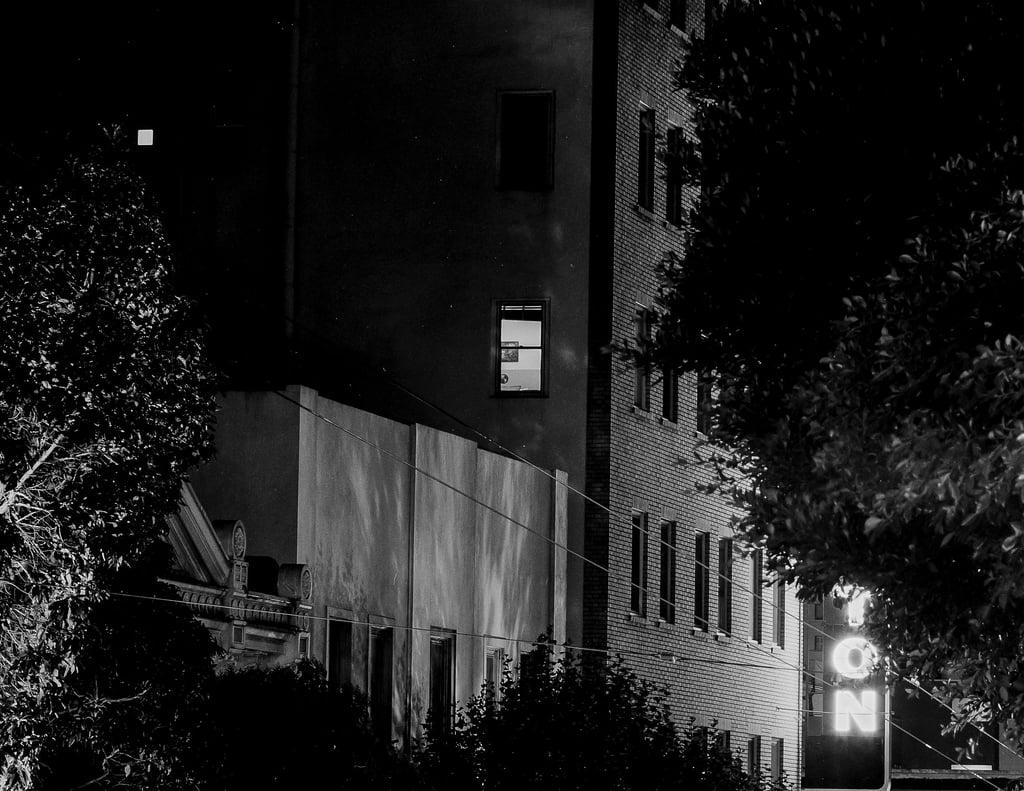
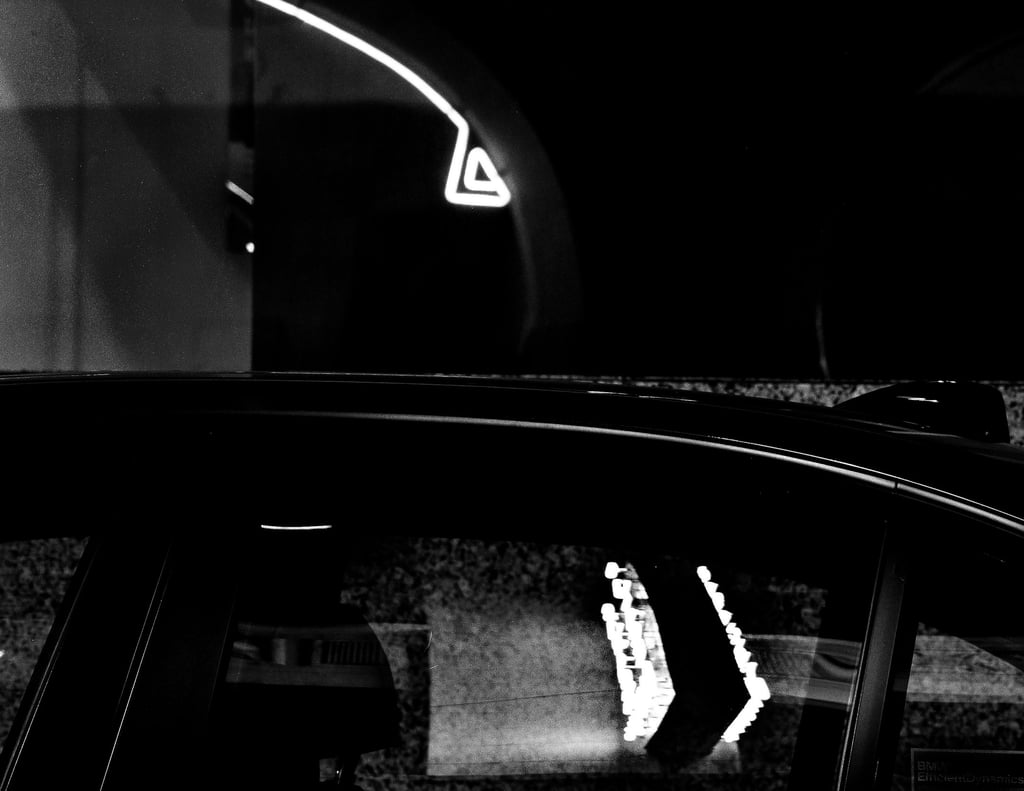
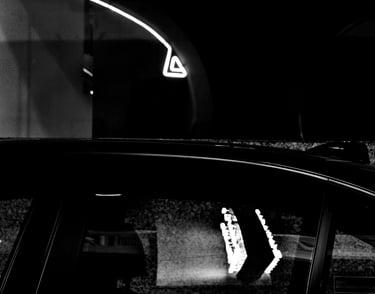
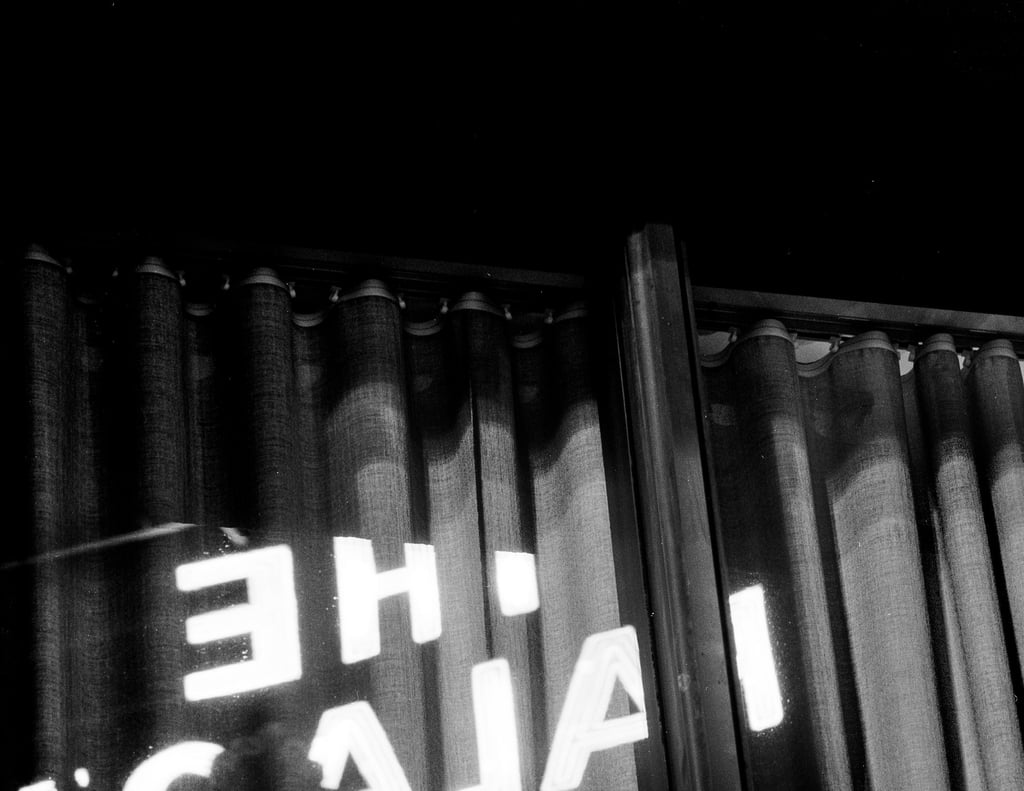
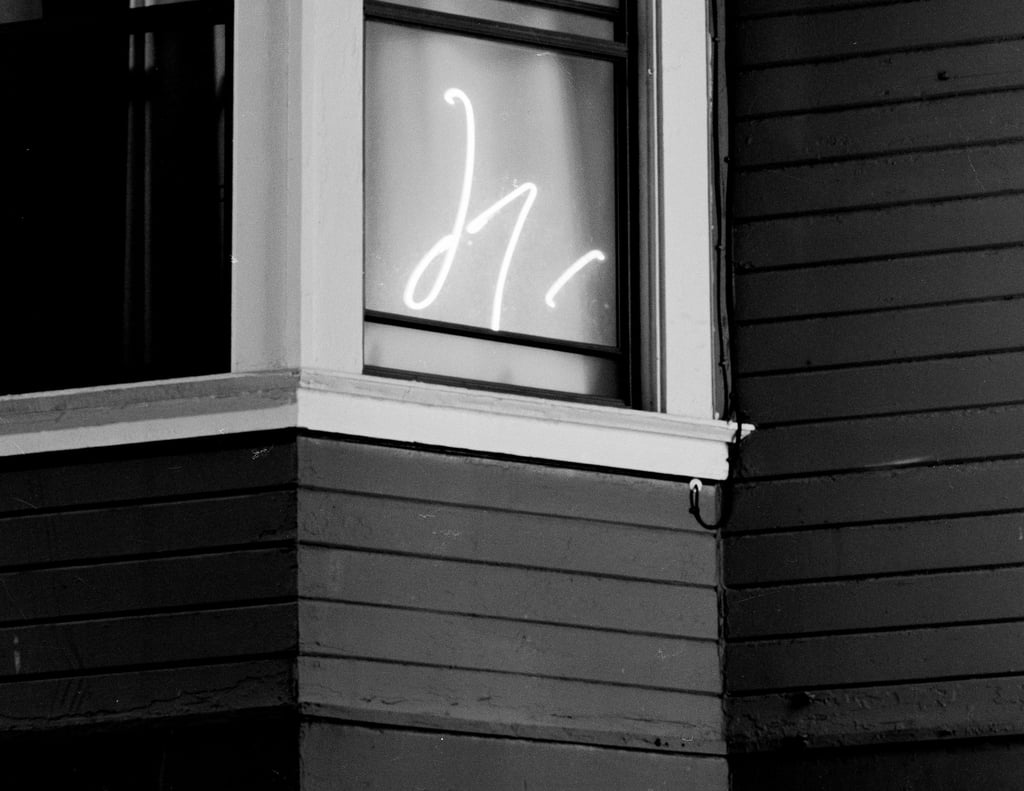
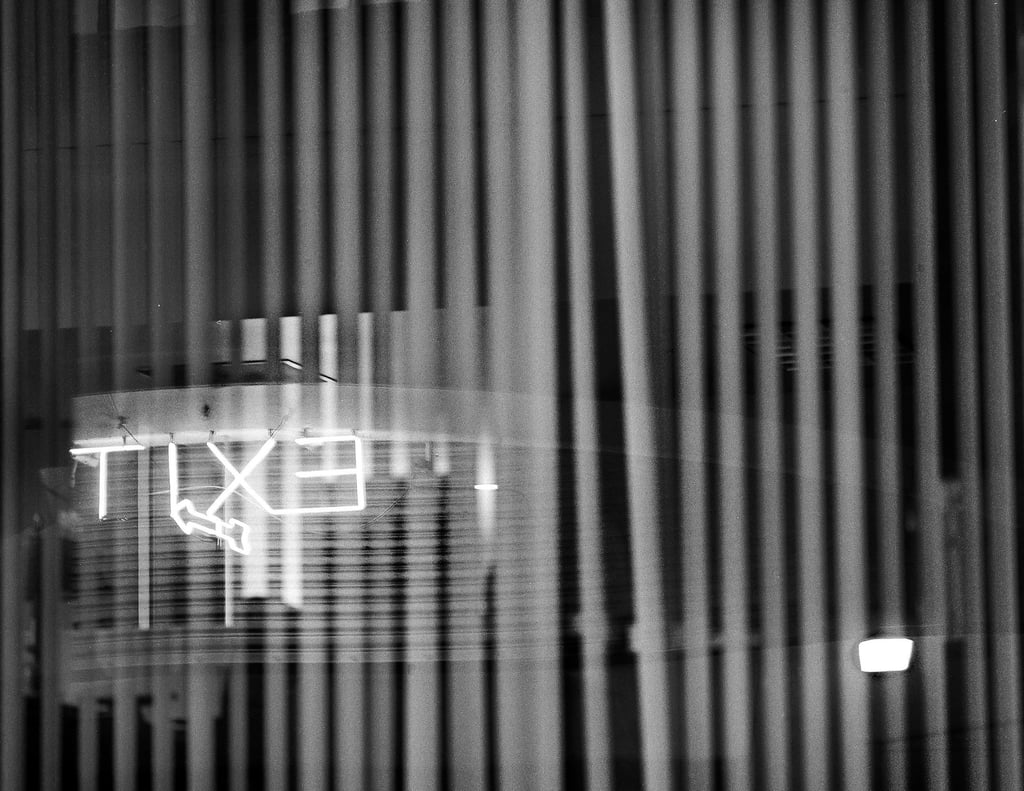
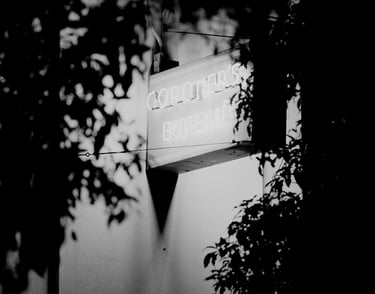
Neon, in particular, became central to this exploration. Stripped of its daytime function as signage and spectacle, it acquires an uncanny force at night. Its harsh glow reveals the textures of concrete, steel, and glass, which appear monstrous in their isolation. The sudden falloff of light into deep shadow intensifies a sense of unease, evoking a dystopian atmosphere—not in a strictly Orwellian sense, but as an affective register of alienation and restlessness.
The project seeks to translate these perceptual shifts into a photographic language. By framing the city under neon illumination, the work emphasizes contrasts between exposure and darkness, familiarity and estrangement, vitality and void. This interplay produces a visual metaphor for urban solitude: the same city that sustains collective energy by day becomes a site of melancholia at night.
Dystopia is thus less a documentation of urban nightlife than an inquiry into how artificial light transforms spatial experience and emotional states. It positions the nocturnal city as both architectural subject and psychological landscape, where neon becomes a signifier of isolation as much as of spectacle.